Sensor arrays
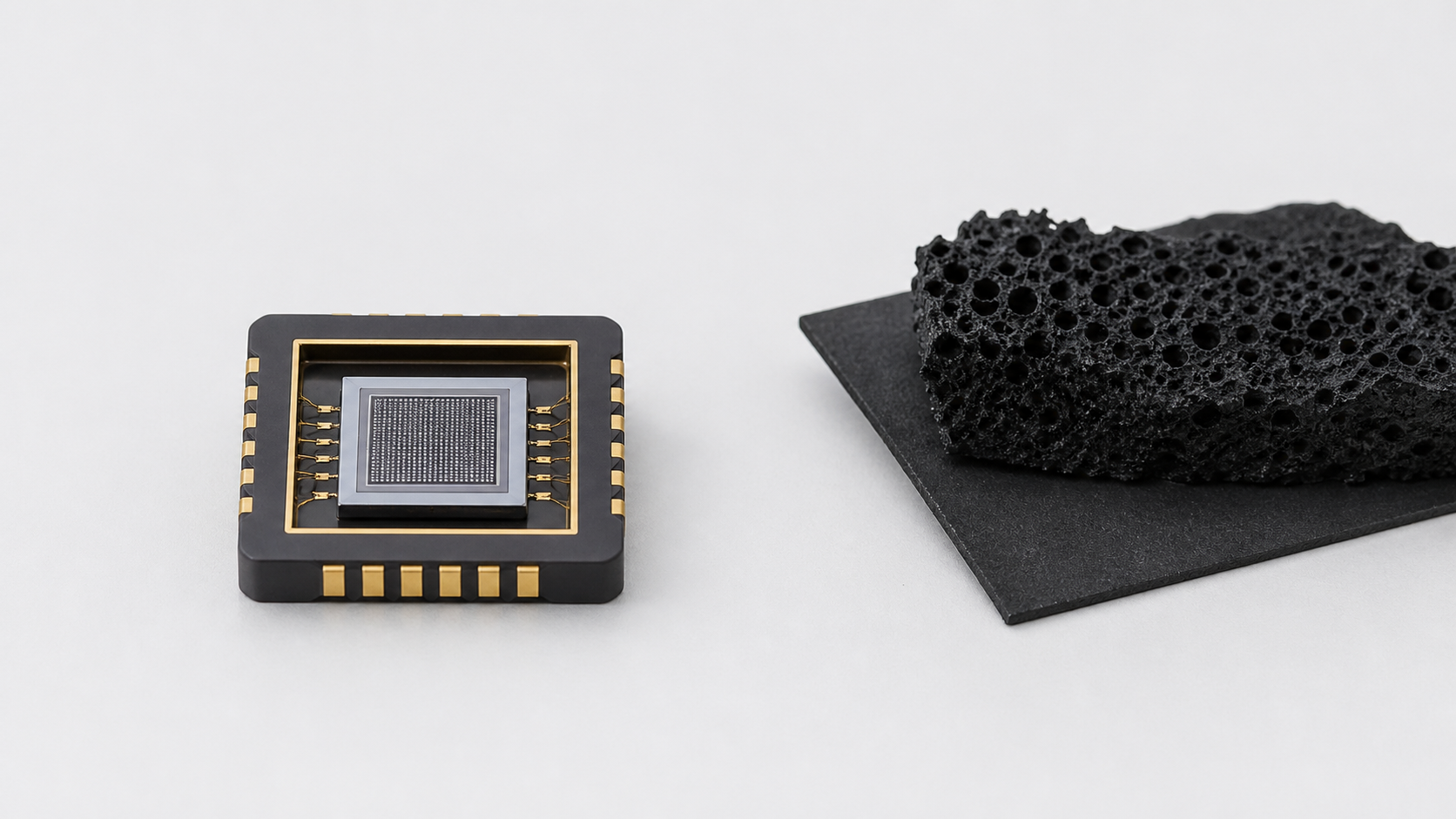
Built to capture multi-channel response patterns instead of treating air quality as a single total value.
NeuroSense combines electronic nose sensing, structured scent data, and AI pattern recognition to help products interpret odor, gas, and VOC signals.

Multi-channel electronic nose arrays are designed to support odor, gas, and VOC sensing inside product environments.
Preprocessing helps convert raw sensor behavior into comparable patterns across humidity, temperature, airflow, and time.
Labeled scent data can train models to separate useful odor contexts from background environmental variation.
Lightweight intelligence can be applied to connected products, spaces, and machines that need smell-aware context.
Built to capture multi-channel response patterns instead of treating air quality as a single total value.
Designed to support cleaner interpretation by reducing environmental noise before classification.
Helps convert repeatable odor events into structured fingerprints that can be reused across product programs.
Uses pattern recognition to translate sensor behavior into practical product-level context.
Identify odor and gas contexts that can guide purification, ventilation, and comfort decisions.
Track non-invasive breath or body-odor signals as wellness indicators while staying in a screening context.
Sense VOC patterns associated with freshness, spoilage, storage, and fermentation environments.
Give mobile systems another sensing layer for invisible hazards, leaks, and environmental changes.